Thinking Outside the Box: Mounting 600W Solar Panels on My Gable Wall for Serious Winter Gains
Introduction: Why the Standard Setup Wasn’t Enough
For most of the year, my off-grid solar system performs beautifully. From early spring through late autumn, it easily keeps up with daily loads, battery charging, and the general energy demands of modern self-reliant living.
But winter? That’s where the real test begins.
My current system consists of:
- A 6.2 kW hybrid inverter
- Two 2.4 kWh lithium batteries (4.8 kWh total storage)
- Six 330W roof-mounted solar panels (1.98 kW array)
For roughly 8–9 months of the year, that setup is more than enough. But during the final 3–4 months—short days, low sun angles, and persistent grey skies—the system starts to struggle.
Winter here means:
- 8 hours of potential charging
- 16 hours running on batteries
- Multiple consecutive overcast days
And when that happens, I’m forced to rely on a backup generator.
Last winter was particularly harsh. Cloud cover lingered for weeks, and the generator ran far more than I was comfortable with. That’s not the kind of self-reliance I aim for.
So instead of adding more roof panels in the usual way, I decided to try something different.
The Problem: Low-Light Winter Charging & Generator Dependency
On a typical grey January morning at 9:50 AM, my system was only producing:
- 108 watts
- 0.5 amps of PV charging current
That’s barely a trickle.
With the sun low on the horizon and often diffused through heavy cloud cover, roof-mounted panels at a shallow pitch simply don’t perform optimally.
The Core Winter Challenges
- Low sun angle
- Heavy cloud cover
- Reduced daylight hours
- Batteries drained overnight for 16+ hours
- Generator kicking in after multiple dull days
I didn’t need more summer production.
I needed better winter production, especially in low-light, early-morning conditions.
The Solution: A South-Facing Gable Wall Solar Array
Instead of expanding upward on the roof, I went vertical.
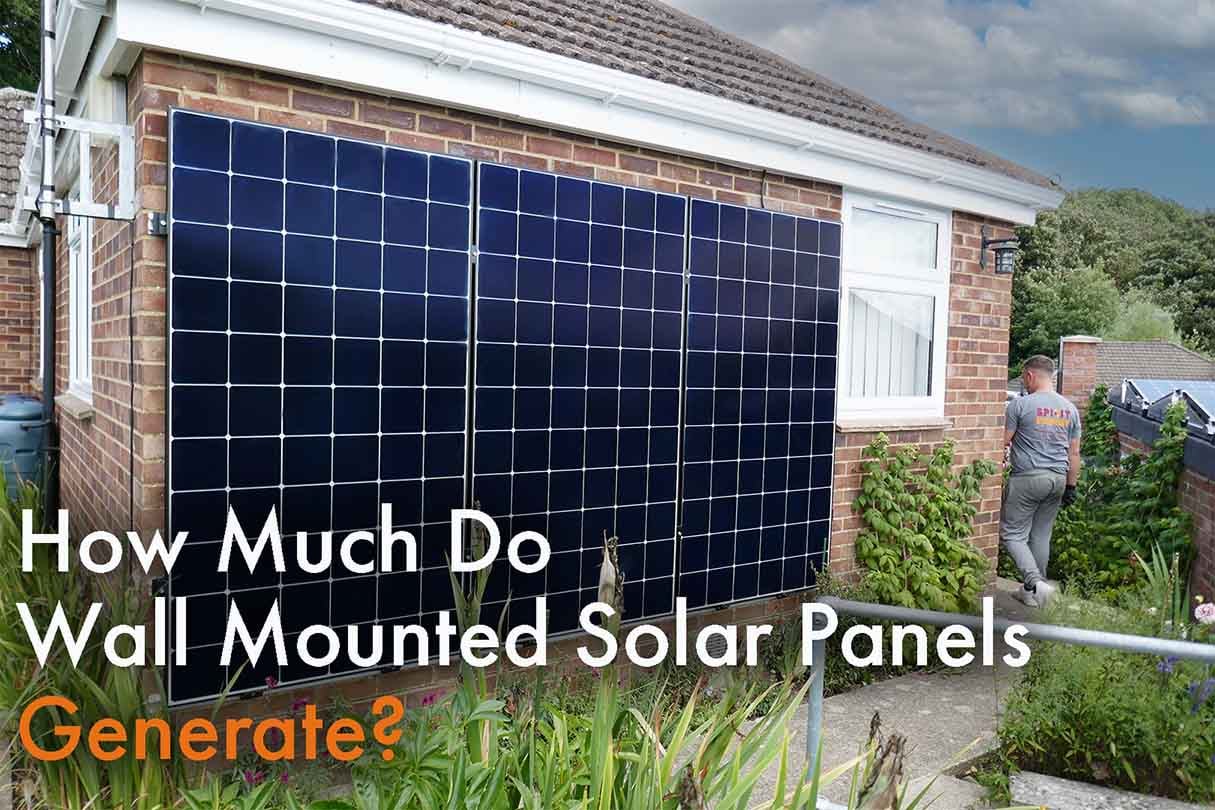
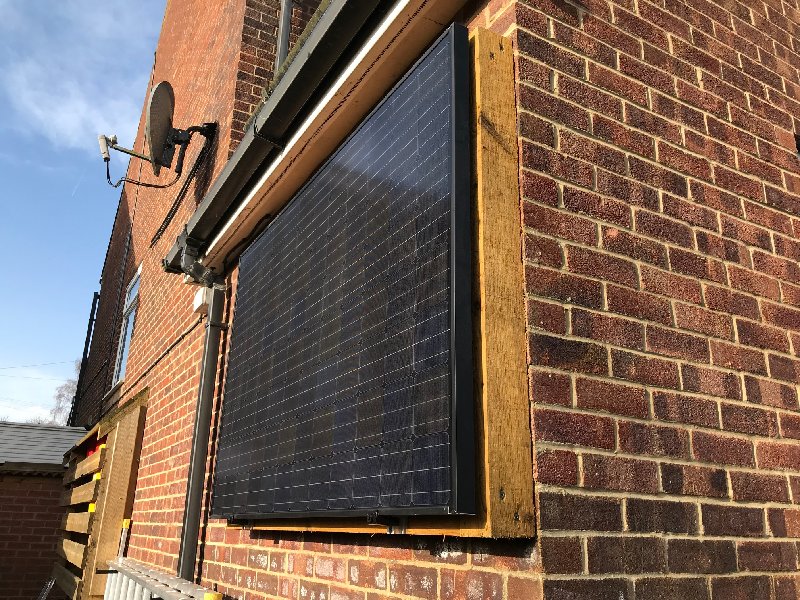
I mounted two 600W solar panels on the south-facing gable end of the house.
This configuration is unusual—but extremely effective for winter solar.
Why Vertical Panels Work in Winter
Vertical panels:
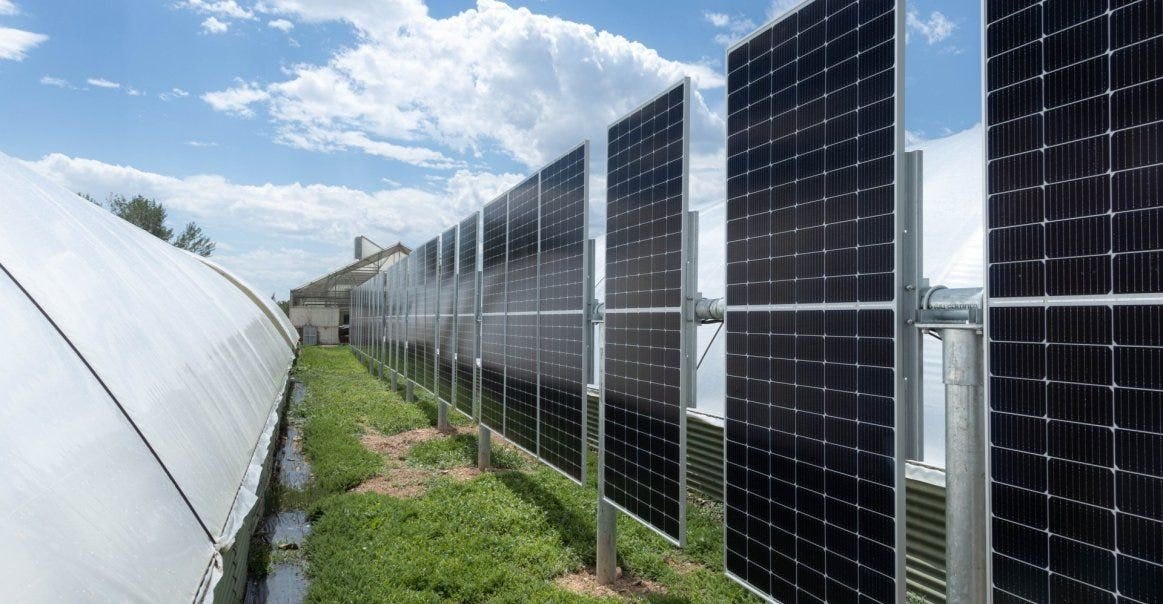
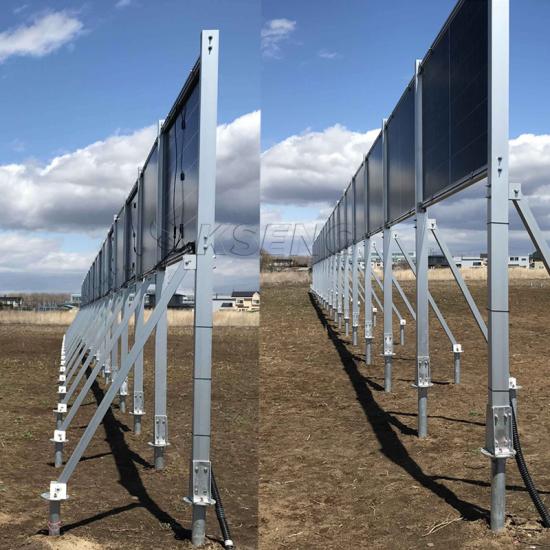
- Capture low-angle winter sun more directly
- Shed snow naturally
- Stay cleaner during muddy seasons
- Perform surprisingly well in diffuse light
During winter, the sun never climbs high in the sky. Roof panels optimized for summer can underperform during these months. A vertical south-facing surface, however, can be much better aligned to winter sun angles.
Expandability: The Most Important Rule in Off-Grid Design
One thing I always emphasize:
Design your solar system to be expandable.
No matter how carefully you calculate your loads, real life changes:
- Appliances get added.
- Usage patterns evolve.
- Weather varies from year to year.
- Efficiency losses accumulate.
If your system is boxed in with no upgrade path, you’ll regret it.
Fortunately, when I built this system, I left:
- Spare cable loops
- Accessible junction points
- Ducting pathways for future expansion
That made this upgrade possible without tearing apart half the installation.
The Configuration: How I Wired the New Panels
The two new 600W panels were wired in series with the existing array.
After installation, I checked system voltage:
- Before: ~240V
- After: ~317V
That confirmed proper series wiring.
⚠️ Important Safety Warning:
Always fully disconnect panels from both the inverter and the array before cutting or modifying DC wiring. Solar panels generate voltage whenever exposed to light—even on cloudy days.
Efficiency Trade-Off (Temporary)
Because the 600W panels are in series with 330W panels:
- The higher-wattage panels are limited by the lower-rated ones.
- I’m currently losing roughly 45% of potential output from the 600W units.
This is temporary. Once I complete a second roof string, I’ll rebalance the system and reduce mismatch losses.
Mounting System: Adapting a Flat Roof Kit for Wall Use
Instead of fabricating aluminum brackets (which became cost-prohibitive due to shipping), I used a flat roof mounting kit and adapted it for vertical wall installation.


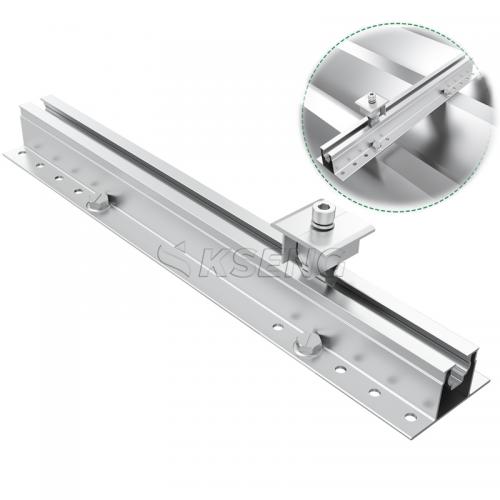

The kit included:
- Mounting rails
- End clamps
- Mid clamps
- Rubber isolation pads
- Bolts (which I replaced with longer masonry anchors)
Installation Notes
- Panels mounted ~20 cm above ground to avoid splashback.
- Heavy-duty masonry screws replaced included fasteners.
- Brackets staggered to preserve wall integrity.
- Cables secured with adhesive clips to prevent wind vibration.
- Waterproof glands used at entry points.
⚠️ Never rely on supplied fasteners blindly.
Always confirm they’re suitable for your substrate (brick, block, concrete, timber, etc.).
Parts & Tools Used
Below is a simplified list of major components used in this upgrade:
Solar Components
- 2 × 600W Solar Panels – [INSERT AMAZON/ALIEXPRESS LINK]
- Wall Mounting Bracket Kit – [INSERT AMAZON/ALIEXPRESS LINK]
- 6mm Solar PV Cable (Black & Red) – [INSERT AMAZON/ALIEXPRESS LINK]
- MC4 Connectors – [INSERT AMAZON/ALIEXPRESS LINK]
- Waterproof Cable Glands – [INSERT AMAZON/ALIEXPRESS LINK]
Tools
- SDS Hammer Drill
- Masonry Drill Bits
- Cable Cutters
- MC4 Crimp Tool
- Insulation Tape
- Ratchet Straps (for lifting panels safely)
- Ladder + Temporary Panel Support Brackets
The Result: Measurable Winter Improvement
After installation, I waited for comparable low-light conditions to test output.
Before upgrade:
- 108 watts
- 0.5 amps
After upgrade (worse visible sun conditions):
- 117 watts
- 1.3 amps
That’s more than double the charging current under similar winter conditions.
Even more importantly:
- Early morning direct sun now instantly delivers 100–200 watts
- Batteries begin charging sooner
- Generator usage will be significantly reduced
And remember:
This improvement is happening despite mismatch losses from series wiring.
Once I reconfigure the strings properly, performance will improve even further.
Why This “Unusual” Setup Makes Sense for Off-Grid Living
Standard solar advice often assumes grid-tied systems optimized for annual yield.
Off-grid systems are different.
We care about:
- Winter survivability
- Battery recovery speed
- Low-light performance
- Generator reduction
- System redundancy
A vertical winter-biased array isn’t standard—but it’s strategic.
If you live off-grid in northern latitudes, adding a vertical south-facing array can dramatically improve winter resilience.
Final Thoughts: Practical Self-Reliance Over Textbook Perfection
This upgrade wasn’t flashy.
It wasn’t symmetrical.
It wasn’t textbook perfect.
And it certainly wasn’t “standard.”
But it solved a real-world problem.
Self-reliance isn’t about building the prettiest system. It’s about building one that keeps your lights on in January when the sky is grey and the batteries are low.
If you’re designing or upgrading your own off-grid solar setup, ask yourself:
- Is my system expandable?
- Am I optimized for winter, not just summer?
- Where is my weakest seasonal performance?
- Can I think outside the roof?
Sometimes, the best upgrade isn’t upward.
It’s sideways.
If you’re interested in the next stage—rebalancing panel strings and reducing mismatch losses—stay tuned. That’s where we fine-tune this system and push efficiency even further.
Self-reliance isn’t static. It evolves.
Leave a Reply