Common Solar Inverter Problems and How to Fix Them (Complete Troubleshooting Guide)
Key Takeaways
- Solar inverters can fail due to overheating, wiring errors, firmware glitches, or internal component faults.
- If your inverter powers the house but doesn’t charge batteries, the issue may be communication or BMS-related.
- Proper airflow and installation height significantly impact inverter lifespan.
- Always double-check polarity and fuse connections before powering up.
- Upgrading to a newer inverter model can improve efficiency by 15–20% or more.
Introduction
A solar inverter is the heart of any off-grid or hybrid solar system. When it fails, your entire power setup can grind to a halt. In this guide, we’ll walk through common solar inverter problems, how to diagnose them, and practical solutions to get your system running efficiently again.
Why Solar Inverters Fail
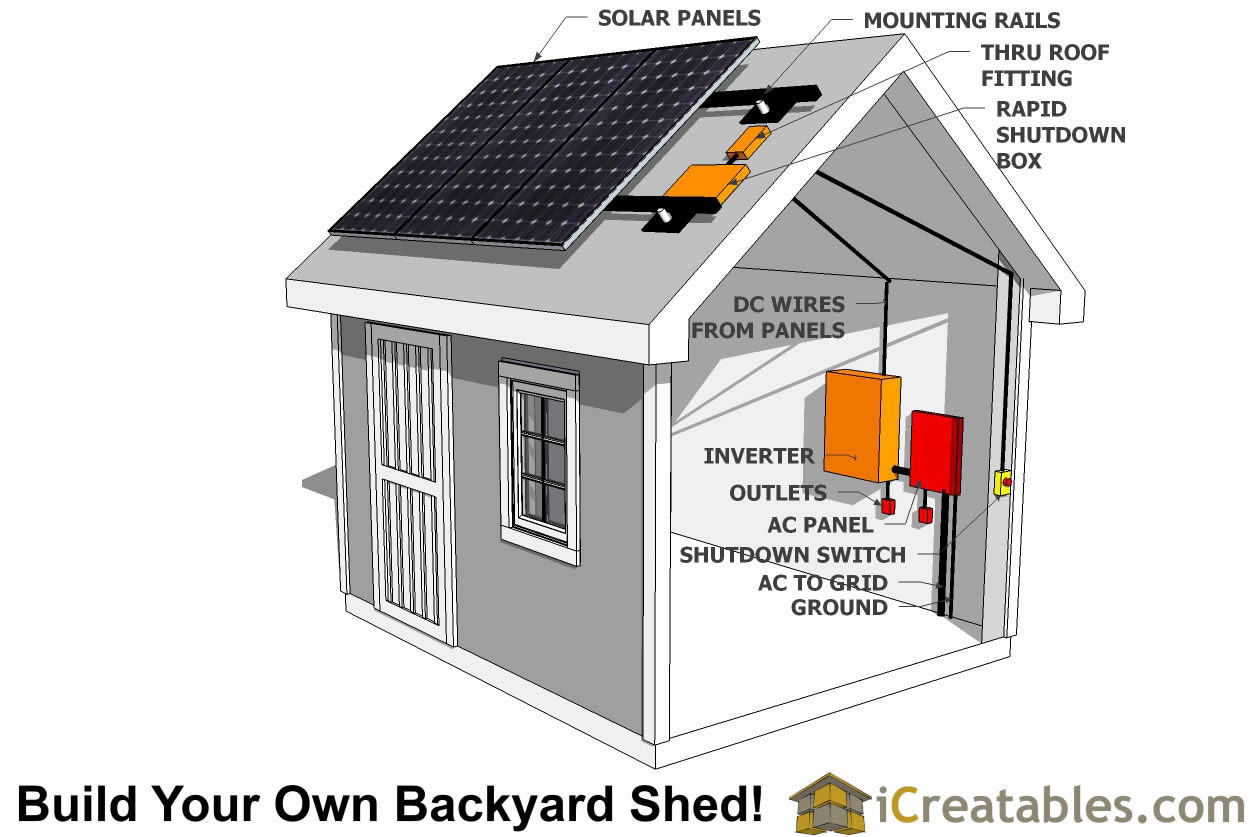
Solar inverters work hard every day converting DC power from solar panels into usable AC electricity. Over time, heat, wiring issues, and component wear can lead to system failure.
Understanding the warning signs early can save you days—or even weeks—without power.
Problem #1: Inverter Powers the House but Won’t Charge Batteries
Symptoms
- Solar panels produce power.
- House receives electricity.
- Batteries are not charging.
- System resets or behaves inconsistently.
Possible Causes
- Battery Management System (BMS) limiting charge.
- Communication failure between inverter and battery.
- Incorrect charging settings.
- Internal inverter fault.
How to Fix It
- Restart the battery system and inverter.
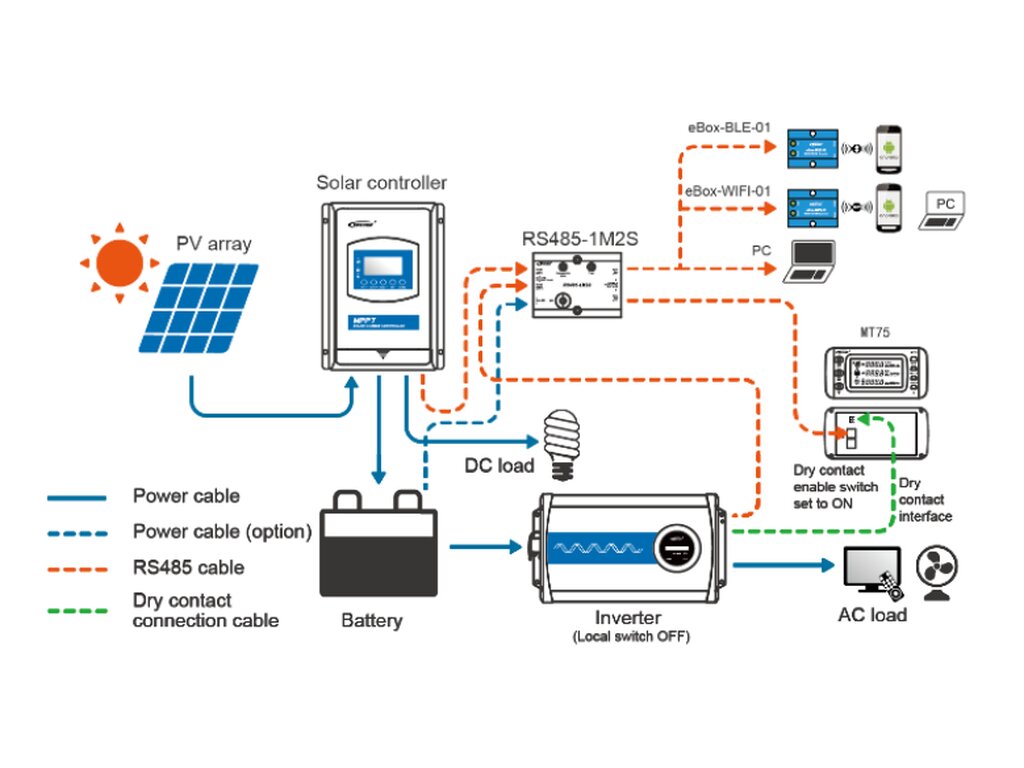
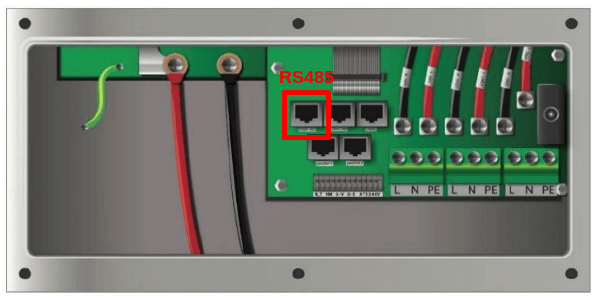
- Check communication cables (RS485/RS232).
- Verify charging current settings match battery specs.
- Confirm battery polarity and connections.
Modern lithium batteries often include internal BMS protection. This can prevent overcharging even if inverter settings are slightly incorrect.
Problem #2: Inverter Keeps Restarting or Shutting Down
Symptoms
- Unit powers up briefly.
- Screen lights up, then shuts off.
- Repeats the cycle continuously.
Common Causes
- Internal inverter board failure.
- Insufficient solar input voltage.
- Faulty power supply module.
- Loose wiring or poor earth connection.
Solution
- Confirm solar input voltage is within operating range.
- Inspect all terminal connections.
- Check earth grounding.
- If the unit still resets without batteries connected, the inverter itself is likely faulty.
In some cases, replacement is more cost-effective than repair.
Problem #3: Overheating and Poor Airflow
Why It Happens
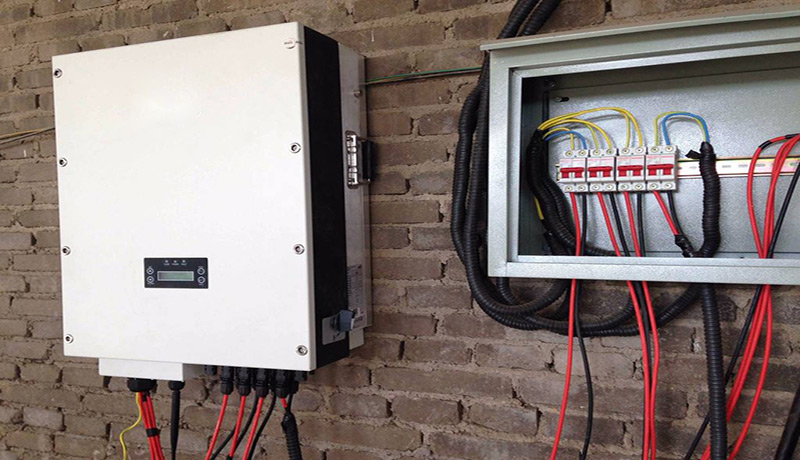
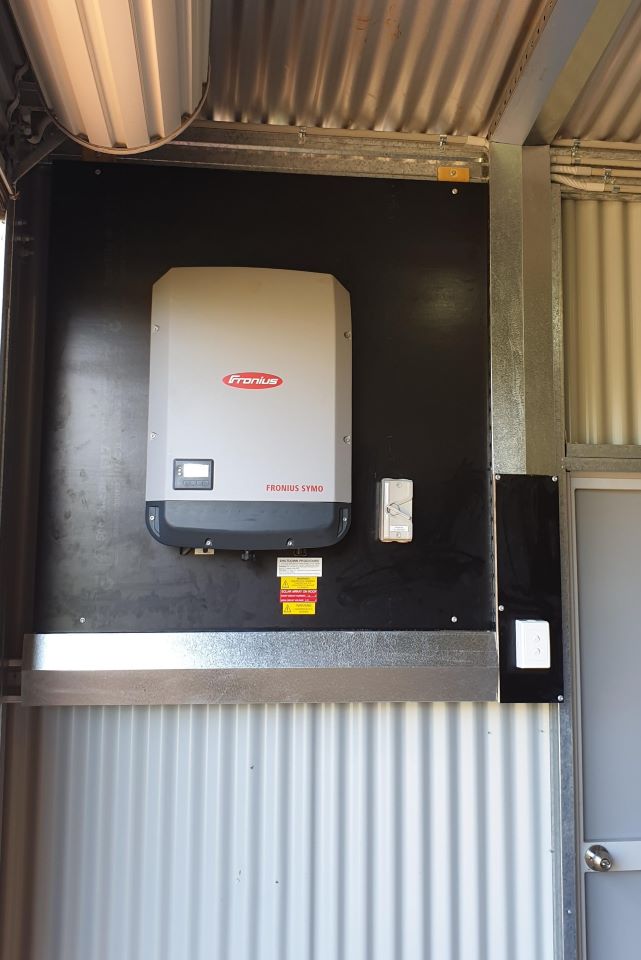
Inverters generate heat during operation. If mounted too close to walls, fuse boxes, or ceilings, airflow becomes restricted.
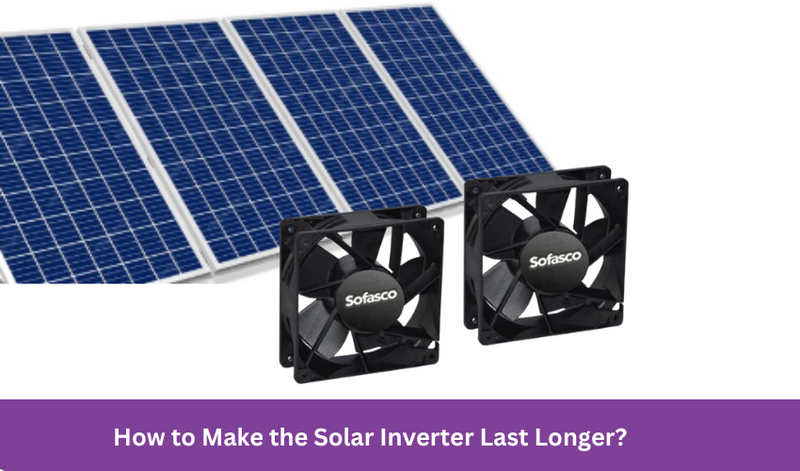
Cooling fans must have adequate clearance—usually at least 20 cm around ventilation areas.
Fix
- Mount the inverter higher on the wall.
- Ensure vents are not blocked.
- Avoid enclosing the unit in tight cabinets.
- Clean dust buildup regularly.
Proper ventilation can dramatically extend inverter lifespan.
Problem #4: Wrong Polarity or Wiring Mistakes
Warning Signs
- System won’t start.
- Sparks during connection.
- Error codes on startup.
Common Installation Errors
- Live and neutral reversed.
- Solar PV cables connected incorrectly.
- AC input and AC output swapped.
- Incorrect fuse positioning (supply should enter from top in many systems).
Prevention Checklist
- Match wire colors carefully (local wiring standards may vary).
- Double-check polarity before powering on.
- Use appropriate cable thickness (6mm² or 10mm² depending on load).
- Confirm all supplies enter correct fuse terminals.
Many inverters have reverse polarity protection—but never rely on it.
Problem #5: Poor Efficiency or Low Output
Example Scenario
An older inverter may produce 1,320W under optimal conditions. A newer model under the same conditions could generate 1,600W or more.
That’s a significant efficiency increase.
Why Efficiency Drops
- Aging internal components.
- Outdated MPPT technology.
- Thermal throttling due to overheating.
- Suboptimal firmware.
Solution
- Upgrade to a newer inverter model.
- Adjust MPPT settings.
- Improve airflow.
- Monitor output via Wi-Fi tools.
Problem #6: Wi-Fi Monitoring Not Connecting

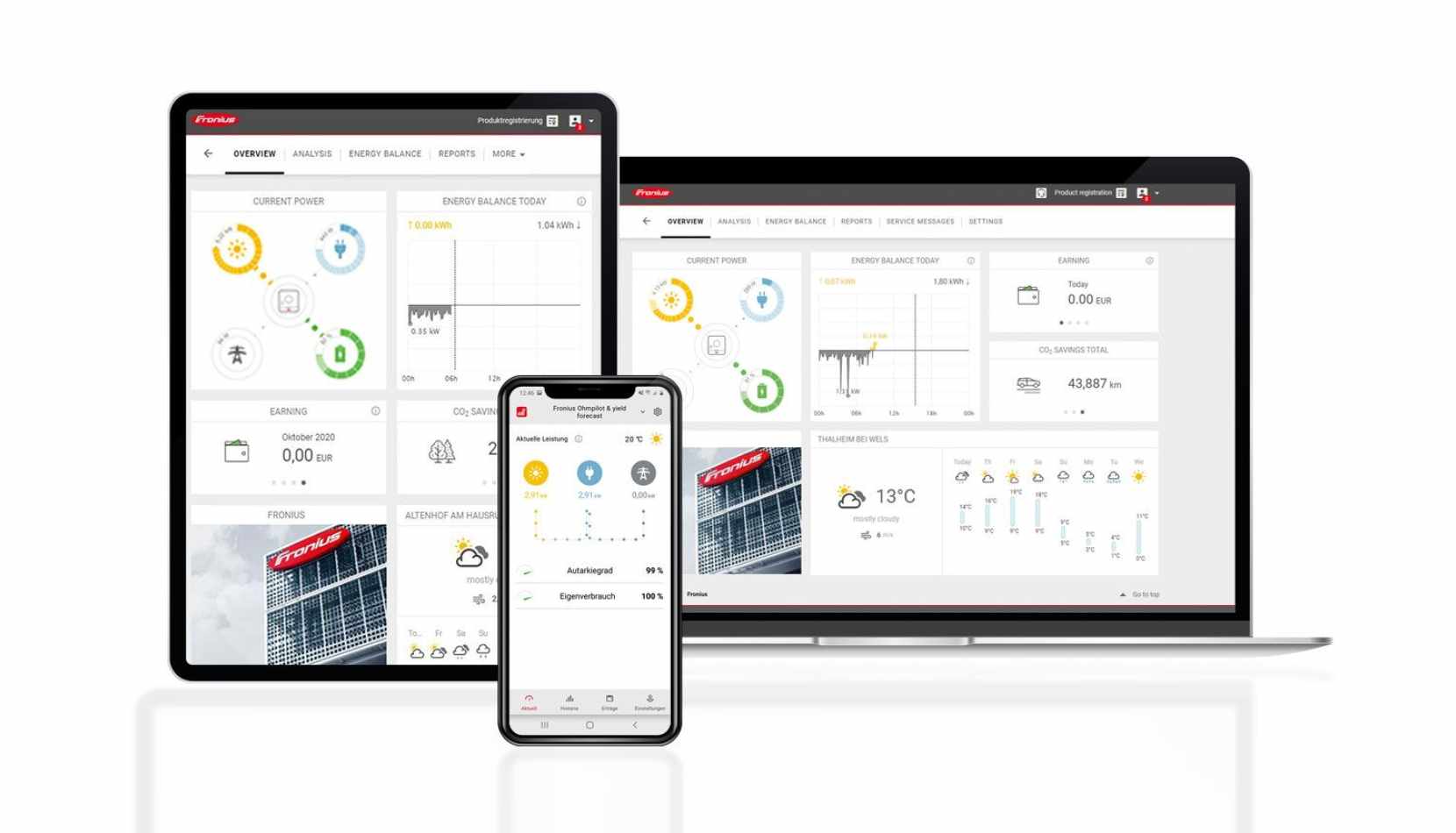
Modern inverters often include Wi-Fi monitoring.
Common Setup Mistake
You must connect directly to the inverter’s Wi-Fi network first—just like setting up an action camera.
Some smartphones automatically switch back to known Wi-Fi networks if there’s no internet detected. This interrupts setup.
Fix
- Connect to the inverter’s Wi-Fi network manually.
- Disable mobile data temporarily.
- Use a secondary device if necessary.
- Complete setup before switching back to your main network.
Once configured, monitoring allows you to track performance remotely.
When to Replace Instead of Repair
If your inverter:
- Is several years old
- Has repeated hardware failures
- Lacks modern MPPT efficiency
- Costs nearly as much to repair as replace
…it’s often smarter to upgrade.
Newer 6,000W+ hybrid inverters now cost significantly less than older models did just a few years ago.
Safe Solar Inverter Installation Best Practices
1. Proper Grounding
Install a surge protection device and ensure a dedicated earth rod—especially in areas prone to thunderstorms.
2. Correct Cable Sizing
- AC output: typically 10mm² for higher loads.
- Generator/utility input: usually 6mm².
- PV cables: double-insulated solar-rated cable.
3. Install Order Matters
- Mount inverter.
- Connect earth.
- Connect AC out.
- Connect AC in (generator/utility).
- Connect batteries.
- Connect solar panels last.
Always connect live power sources last.
Final Thoughts
Solar inverter problems can range from simple wiring errors to full hardware failure. Careful diagnostics, correct installation, and adequate ventilation can prevent most issues.
When in doubt, upgrading to a newer, more efficient inverter can improve performance, reliability, and monitoring capabilities.
Frequently Asked Questions
1. Why is my solar inverter not charging my batteries but still powering my house?
This usually indicates a communication issue with the battery system, incorrect charge settings, or an internal inverter fault.
2. How long should a solar inverter last?
Most quality inverters last 5–10 years. Proper ventilation and correct installation significantly extend lifespan.
3. Can I run my house directly from solar panels without batteries?
Yes, many hybrid inverters can power a house directly from solar during daylight without batteries connected—but only if solar input is sufficient.
If you’re troubleshooting your system right now, start with airflow, polarity, and communication cables—those are the most common causes of failure.
Leave a Reply